Salmon Nigiri: Everything You Need to Know
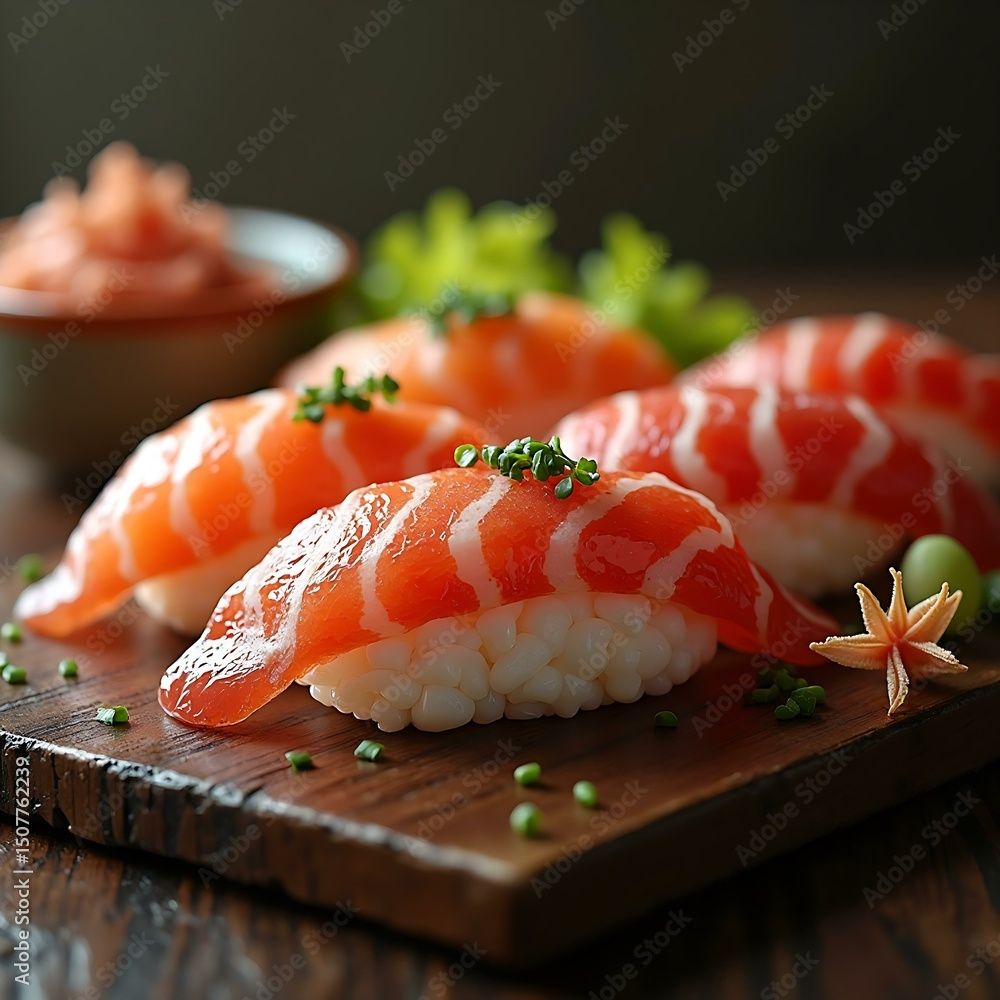
If you love sushi, salmon nigiri is one of the simplest and most delicious ways to enjoy the natural flavor of salmon. With a delicate slice of salmon placed over hand-shaped sushi rice, salmon nigiri combines tender fish, lightly seasoned rice, and traditional Japanese sushi-making techniques in one bite. Unlike sushi rolls that can contain several ingredients, salmon nigiri keeps things simple. The quality of the salmon, the texture of the sushi rice, the thickness of the fish, and the balance between the two all play an important role in the overall experience. Whether you are trying sushi for the first time, already enjoy salmon sushi, or are simply curious about Japanese food, this guide explains everything you need to know about salmon nigiri. What Is Salmon Nigiri? Salmon nigiri is a type of Japanese sushi made with a small portion of seasoned sushi rice topped with a slice of salmon. The word “nigiri” refers to the hand-shaped style of sushi. According to Japan’s National Tourism Organization, nigirizushi consists of specially prepared rice shaped by hand with a seafood topping, known as neta. Unlike maki sushi, which is rolled with ingredients and usually wrapped in nori seaweed, nigiri is designed to showcase the topping directly. This makes salmon nigiri a particularly appealing choice for people who want to appreciate the flavor and texture of salmon without a large number of additional ingredients. A typical piece of salmon nigiri contains: Seasoned sushi rice A slice of salmon Optional wasabi Soy sauce for dipping Pickled ginger as a palate cleanser The result is a small, balanced bite where the salmon and rice complement each other. What Does Salmon Nigiri Taste Like? Salmon nigiri is known for its soft texture and rich, mildly buttery flavor. Salmon naturally has a richer flavor than many lighter white fish, while properly prepared sushi rice provides a slightly sweet and tangy contrast. The combination creates a balanced bite without requiring heavy sauces or complicated toppings. The exact taste can vary depending on the salmon, the cut, the temperature, the rice seasoning, and the preparation technique. Fresh salmon can have a clean, delicate flavor with a pleasant richness. The texture is usually tender and smooth, which is one reason salmon is such a popular sushi ingredient. For people who are new to sushi, salmon nigiri can be a straightforward introduction because the flavor is recognizable while still offering the traditional sushi experience. Salmon Nigiri vs. Salmon Sashimi One of the most common questions about salmon sushi is the difference between salmon nigiri and salmon sashimi. The main difference is rice. Salmon nigiri consists of salmon served on top of sushi rice. Salmon sashimi is sliced salmon served without sushi rice. Sashimi is often served as thin slices of raw seafood on their own, allowing the flavor and texture of the fish to take center stage. Japan’s National Tourism Organization also notes that sashimi is not technically sushi because it is served without sushi rice. In simple terms: Salmon Nigiri Salmon + sushi rice Usually served as individual pieces Combines fish and seasoned rice in one bite Salmon Sashimi Salmon without rice Usually served as individual slices Focuses entirely on the fish Both are popular choices, but the experience is different. What Is Sushi Rice? Sushi rice is an important part of salmon nigiri. It isn’t simply ordinary cooked rice. Sushi uses specially prepared rice that is seasoned, traditionally with vinegar and other ingredients, creating the characteristic flavor associated with sushi. Japan’s National Tourism Organization explains that sushi refers to vinegared rice paired with a topping or garnish, which can include seafood, egg, or vegetables. For nigiri, the rice needs to hold together while remaining pleasant and light rather than becoming overly compressed. This is one reason sushi-making requires skill. The balance of vinegar, sweetness, firmness, temperature, and the amount of rice can influence how the finished nigiri tastes. Why Is Salmon So Popular in Sushi? Salmon has become one of the most recognizable and widely enjoyed sushi ingredients around the world. Its popularity comes partly from its distinctive flavor and soft texture. Salmon can also work well in several different Japanese dishes, including nigiri, sashimi, rolls, bowls, and other preparations. For sushi lovers, salmon offers versatility. You can enjoy it as simple salmon nigiri, in a salmon roll, as sashimi, or as part of a larger sushi selection. At Zuto Sushi, salmon is also featured in several menu options, including a Salmon Lover Box, while the restaurant’s menu includes nigiri and sashimi sets. How Is Salmon Nigiri Made? Making restaurant-quality salmon nigiri requires more than simply putting fish on rice. First, sushi rice is prepared and seasoned. The rice is then shaped into small portions by hand. The salmon is carefully sliced into pieces suitable for nigiri. The thickness and angle of the cut can influence both texture and presentation. The chef then places the salmon over the shaped rice. Depending on the preparation, a small amount of wasabi may be placed between the fish and rice. The finished piece should be compact enough to hold together but delicate enough to provide a pleasant texture when eaten. Japan’s National Tourism Organization describes the skill involved in shaping nigiri rice and preparing fish for sushi, highlighting how rice texture, fish cutting, and the balance of the finished piece contribute to the sushi experience. How to Eat Salmon Nigiri If you have never eaten nigiri before, don’t worry. There is no complicated process. Here is a simple way to enjoy salmon nigiri: 1. Pick up the piece carefully Nigiri can be eaten with chopsticks or with your hands. Traditional sushi is often associated with eating nigiri by hand, and Japan’s National Tourism Organization notes that nigiri was historically eaten this way. 2. Add a small amount of soy sauce If you enjoy soy sauce, use a small amount rather than soaking the sushi. Too much soy sauce can overpower the delicate flavor of the salmon and seasoned rice. 3.