Japanese cuisine is famous for its beautiful presentation, fresh ingredients, and delicious flavours. Among its many popular dishes, salmon nigiri has become a favourite for sushi lovers around the world. Its simple appearance, delicate taste, and combination of fresh salmon and seasoned rice make it one of the most recognizable types of Japanese sushi.
But what exactly is salmon nigiri? What ingredients are used to prepare it, and how is it made? Whether you are trying sushi for the first time or already enjoy Japanese food, understanding this traditional dish can make your dining experience even more enjoyable.
In this guide, we will explore what salmon nigiri is, its main ingredients, how it is prepared, how to eat it properly, and how it differs from other popular sushi varieties.
What Is Salmon Nigiri?
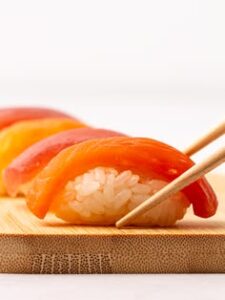
Salmon nigiri is a traditional Japanese sushi made with a small, hand-shaped portion of seasoned sushi rice topped with a thin slice of salmon. The rice is gently pressed into an oval shape, while the salmon is carefully placed over the top to create a simple yet delicious combination.
The word “nigiri” comes from the Japanese word meaning “to grasp” or “to hold,” referring to the way sushi chefs shape the rice by hand.
Unlike sushi rolls, which are wrapped in seaweed and filled with different ingredients, salmon nigiri highlights the natural flavour of its main ingredients. The combination of tender salmon and slightly tangy sushi rice creates a balanced taste and texture.
Salmon nigiri is especially popular among people who enjoy seafood because it allows the flavour of salmon to take centre stage without too many additional ingredients.
It is commonly served in Japanese restaurants alongside soy sauce, wasabi, and pickled ginger.
What Are the Main Ingredients in Salmon Nigiri?
One of the reasons salmon nigiri is so popular is its simplicity. It does not require a long list of ingredients. Instead, every component plays an important role in creating its distinctive flavour.
Here are the main ingredients used to prepare salmon nigiri.
1. Fresh Salmon
Salmon is the main ingredient in salmon nigiri. A thin, carefully cut slice is placed over the shaped rice to provide a soft texture and rich seafood flavour.
For preparations involving raw salmon, the fish must come from a supplier who can verify its suitability for raw consumption and its handling history. Ordinary fresh salmon is not automatically safe to eat raw.
The salmon should be handled under appropriate food-safety controls and kept at the correct temperature.
2. Sushi Rice
Sushi rice is a short-grain Japanese rice variety known for its slightly sticky texture. This texture helps the rice hold its shape when pressed into small portions.
Before serving, the cooked rice is seasoned with a mixture commonly containing:
- Rice vinegar
- Sugar
- Salt
This seasoning gives sushi rice its characteristic mild tanginess and balances the rich taste of salmon.
3. Wasabi
Wasabi is a Japanese condiment with a distinctive spicy flavour. It is often served alongside salmon nigiri or added in a small amount between the salmon and rice.
Its sharp taste complements the mild flavour of salmon.
4. Soy Sauce
Soy sauce is a popular accompaniment for sushi. It adds a savoury, salty flavour that can enhance the overall taste of salmon nigiri.
A small amount is generally enough because too much soy sauce can overpower the natural flavour of the fish.
5. Pickled Ginger
Pickled ginger, also known as gari, is commonly served with sushi.
Its refreshing, slightly sweet and tangy flavour helps cleanse the palate between different sushi varieties.
How Is Salmon Nigiri Made?
Making salmon nigiri requires fresh ingredients, careful preparation, and attention to detail. Although it looks simple, creating a well-balanced piece of nigiri takes practice.
Here is an overview of how salmon nigiri is traditionally prepared.
Step 1: Prepare the Sushi Rice
The first step is preparing Japanese short-grain rice.
The rice is washed several times to remove excess surface starch before cooking. Once cooked, it is seasoned with a mixture of rice vinegar, sugar, and salt.
The seasoned rice is then allowed to cool to a suitable serving temperature.
The goal is to achieve rice that is slightly sticky but not overly wet or mushy.
Step 2: Prepare the Salmon
The salmon is carefully inspected and cut into thin, evenly sized slices.
Each slice should be large enough to cover the top of a small rice portion without overwhelming it.
For raw salmon nigiri, professional food-safety practices are essential. The fish should be sourced and handled specifically for raw consumption, with appropriate temperature control and protection against cross-contamination.
Step 3: Shape the Rice
A sushi chef takes a small amount of seasoned rice and gently shapes it into an oval using their hands.
The rice should hold together while remaining light and tender.
Pressing it too firmly can make the nigiri dense and affect its texture.
Step 4: Add the Salmon
A thin slice of salmon is placed over the shaped rice.
The chef gently presses the salmon onto the rice so that both ingredients stay together.
Some chefs add a tiny amount of wasabi between the salmon and rice to create additional flavour.
Step 5: Arrange and Serve
The finished salmon nigiri pieces are arranged neatly on a serving plate.
They are commonly accompanied by soy sauce, wasabi, and pickled ginger.
Salmon nigiri is best enjoyed soon after preparation so that the rice maintains its texture and the salmon remains properly chilled.
What Does Salmon Nigiri Taste Like?
Salmon nigiri has a balanced flavour that combines the richness of salmon with the mild tanginess of seasoned sushi rice.
The salmon usually has a soft, buttery texture and a delicate seafood taste. Meanwhile, the rice provides a slightly sweet and tangy contrast.
When eaten together, these ingredients create a simple combination that allows the natural taste of salmon to stand out.
Depending on the preparation, you may also notice additional flavours from wasabi, soy sauce, or other toppings.
For people who are new to sushi, salmon nigiri can be an appealing starting point because its flavour is relatively straightforward and does not rely on complicated fillings or sauces.
Is Salmon Nigiri Raw or Cooked?
Traditional salmon nigiri is generally prepared using raw salmon. The thin slice of fish is placed directly over seasoned sushi rice without cooking it.
However, not everyone enjoys raw seafood. Some restaurants also offer cooked or seared salmon nigiri as an alternative.
Here are the main differences:
Raw salmon nigiri: Features uncooked salmon with a soft, delicate texture and natural seafood flavour.
Seared salmon nigiri: Uses salmon that has been briefly seared on the surface, creating a slightly smoky flavour.
Cooked salmon nigiri: Uses fully cooked salmon for people who prefer not to eat raw fish.
If you are ordering salmon nigiri and have a preference, check the preparation method with the restaurant before ordering.
Salmon Nigiri vs Salmon Sashimi: What Is the Difference?
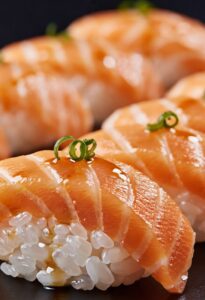
Salmon nigiri and salmon sashimi are two popular Japanese seafood dishes. Although both can feature raw salmon, they are prepared and served differently.
The biggest difference is the rice.
Salmon nigiri consists of a slice of salmon placed over a small portion of seasoned sushi rice. Salmon sashimi, on the other hand, consists of thin slices of salmon served without rice.
Here is a simple comparison:
| Feature | Salmon Nigiri | Salmon Sashimi |
|---|---|---|
| Main ingredient | Salmon and sushi rice | Salmon |
| Rice included | Yes | No |
| Presentation | Salmon over oval rice | Slices of salmon |
| Texture | Soft fish with tender rice | Delicate fish texture |
| Serving style | Individual sushi pieces | Fish slices on a plate |
Both dishes are excellent choices for seafood enthusiasts, but the best option depends on your personal taste and whether you prefer sushi rice with your salmon.
Contact Us
How to Eat Salmon Nigiri Properly
Eating salmon nigiri is simple, and there is no need to feel nervous if you are trying it for the first time.
Here are a few tips to enjoy it.
1. Eat It in One Bite
Nigiri is designed as a small individual serving. Eating the entire piece in one bite allows you to enjoy the salmon and rice together.
2. Use Soy Sauce Carefully
You can dip a small part of the salmon into soy sauce rather than soaking the rice.
This helps prevent the rice from absorbing too much sauce and falling apart.
3. Try It With Wasabi
If you enjoy a little heat, add a small amount of wasabi to your nigiri.
You can also ask whether the chef has already added wasabi during preparation.
4. Enjoy Pickled Ginger Between Different Sushi Types
Pickled ginger is generally eaten between different sushi varieties to refresh your palate.
It is not usually intended as a topping for nigiri.
5. Use Chopsticks or Your Hands
Both chopsticks and clean hands are acceptable ways to eat nigiri.
Choose whichever method feels most comfortable.
Why Is Salmon Nigiri So Popular?
Salmon nigiri has gained popularity because it combines simplicity, flavour, and an enjoyable eating experience.
There are several reasons why sushi lovers continue to choose it.
Simple ingredients: Salmon nigiri does not need complicated fillings or heavy sauces. Its flavour comes from a small number of carefully prepared ingredients.
Balanced taste: The rich flavour of salmon works beautifully with the slightly tangy sushi rice.
Versatile preparation: It can be served traditionally with raw salmon or prepared with cooked and seared alternatives.
Easy to enjoy: Its small individual portions make it convenient to enjoy as part of a larger sushi meal.
A classic Japanese experience: Nigiri is an important part of Japanese sushi culture, making it a popular choice for people exploring traditional Japanese food.
Is Salmon Nigiri Healthy?
Salmon nigiri can be part of a balanced diet, depending on the portion size, ingredients, and overall eating habits.
Salmon naturally provides protein and omega-3 fatty acids. Sushi rice provides carbohydrates, while additional sauces and condiments can contribute extra sodium or sugar.
The nutritional content varies according to the amount of salmon and rice used and the way the dish is prepared.
People who are pregnant, immunocompromised, older, or otherwise at increased risk from foodborne illness should avoid raw or undercooked fish and choose fully cooked alternatives.
If you have dietary restrictions or food allergies, check the ingredients and preparation methods with the restaurant before ordering.
Where Can You Enjoy Salmon Nigiri in Dubai?
Dubai has a diverse dining scene, with plenty of opportunities to explore Japanese cuisine and different sushi varieties.
Whether you are already a sushi enthusiast or just beginning to discover Japanese food, salmon nigiri is a great dish to include in your next sushi meal.
At Zuto Sushi, you can explore Japanese-inspired food and discover sushi options that suit your preferences.
If you enjoy the combination of fresh salmon and seasoned rice, salmon nigiri is worth exploring as part of your next Japanese food experience.
Check the Zuto Sushi menu to discover available sushi selections and find something delicious to enjoy.
Contact Us
Frequently Asked Questions About Salmon Nigiri
1. What is salmon nigiri made of?
Salmon nigiri is made with a small portion of seasoned Japanese sushi rice topped with a thin slice of salmon. It is commonly served with soy sauce, wasabi, and pickled ginger.
2. Is salmon nigiri raw?
Traditional salmon nigiri usually contains raw salmon. However, cooked and seared variations are also available for people who prefer alternatives to raw seafood.
3. Does salmon nigiri contain rice?
Yes. Salmon nigiri contains a small oval portion of seasoned sushi rice with a slice of salmon placed on top.
4. Is salmon nigiri the same as salmon sushi?
Salmon nigiri is one specific type of sushi. The term salmon sushi can refer to several different preparations, including salmon rolls, salmon nigiri, and other salmon-based sushi dishes.
5. How many calories are in salmon nigiri?
The calorie content depends on the size of the rice portion, the amount of salmon, and any additional ingredients. For an accurate figure, check the restaurant’s nutritional information.
6. Can beginners eat salmon nigiri?
Yes. Salmon nigiri is often a popular choice for beginners because it has a simple combination of salmon and rice without complicated fillings.
7. What is the difference between salmon nigiri and salmon sashimi?
Salmon nigiri includes seasoned sushi rice topped with salmon, while salmon sashimi consists of sliced salmon served without rice.
8. What sauce goes with salmon nigiri?
Soy sauce is the most common accompaniment. Wasabi can also be added for extra heat, while pickled ginger is often served on the side.
9. Can salmon nigiri be made with cooked salmon?
Yes. Some restaurants prepare cooked or seared salmon nigiri for customers who prefer not to eat raw fish.
10. Is salmon nigiri gluten-free?
Salmon and plain rice are naturally gluten-free, but soy sauce and other seasonings may contain gluten. Always check the ingredients and preparation practices with the restaurant.
Final Thoughts
Salmon nigiri is a simple yet delicious example of traditional Japanese sushi. Combining a carefully prepared slice of salmon with lightly seasoned sushi rice, it offers a balanced flavour and texture that appeals to both beginners and experienced sushi lovers.
From understanding its ingredients to learning how it is prepared and served, discovering salmon nigiri can make exploring Japanese cuisine even more enjoyable.
Whether you prefer traditional raw salmon, seared salmon, or a cooked variation, this popular sushi dish is a wonderful way to experience the flavours of Japanese food.
Explore the Japanese-inspired selections at Zuto Sushi and discover your next favourite sushi experience!